If you are seeking an effective and safe way to have whiter teeth and a brighter smile for a confidence boost, this article is for you!
We compare at-home teeth whitening with professional in-chair treatment to help you choose the best method for you.
We explain how teeth get discoloured, what’s involved in professional teeth whitening treatment and the pros and cons of both methods.
By the end of this guide, you’ll be equipped to make an informed decision about how to whiten teeth.
Understanding Teeth Discolouration: Why Does It Happen?
Recognising the causes of teeth discolouration gives individuals the option to make choices regarding prevention or treatment.
Causes of Tooth Staining
Some of the most common reasons for discolouration are:
- Diet
– Food containing colourants and beverages like tea, coffee and red wine can stain tooth enamel over time. - Tobacco
– Cigarettes and chewing tobacco cause yellow-brown stains which are hard to brush away. - Ageing
– As we get older, our tooth enamel naturally thins, making our teeth appear duller. - Medications
– Antihistamines and some antibiotics can cause teeth to become discoloured. Some dental treatments and chronic illnesses can also affect the colour of our teeth.
Can Discolouration Be Prevented?
Teeth discolouration can’t be completely avoided but there are ways to delay the impact:
- Oral Hygiene
– Your parents (and your dentist) were right! Brushing your teeth twice a day and using dental floss can slow the build up of plaque and stained teeth. - Food choices
– Reduce your intake of certain food, like soy sauce, certain berries and even fizzy drinks to keep teeth whiter for longer. - Regular brushing
– Sooner or later, we all eat food even when we know it’s not the best choice for various reasons!
– Brush your teeth or rinse your mouth with water after eating to reduce the risk of stains. - Professional cleaning
– Some stains won’t be removed by brushing your teeth, so regular cleans by your dentist helps keep your teeth whiter for longer.
Professional Teeth Whitening
In this section, we help you to understand how in-chair whitening works to help you make an informed decision when you choose tooth whitening.
How In-Chair Whitening Works
Conducted by qualified dental professionals this method is safer, with better results, than at-home methods. Here’s what to expect:
- Consultation
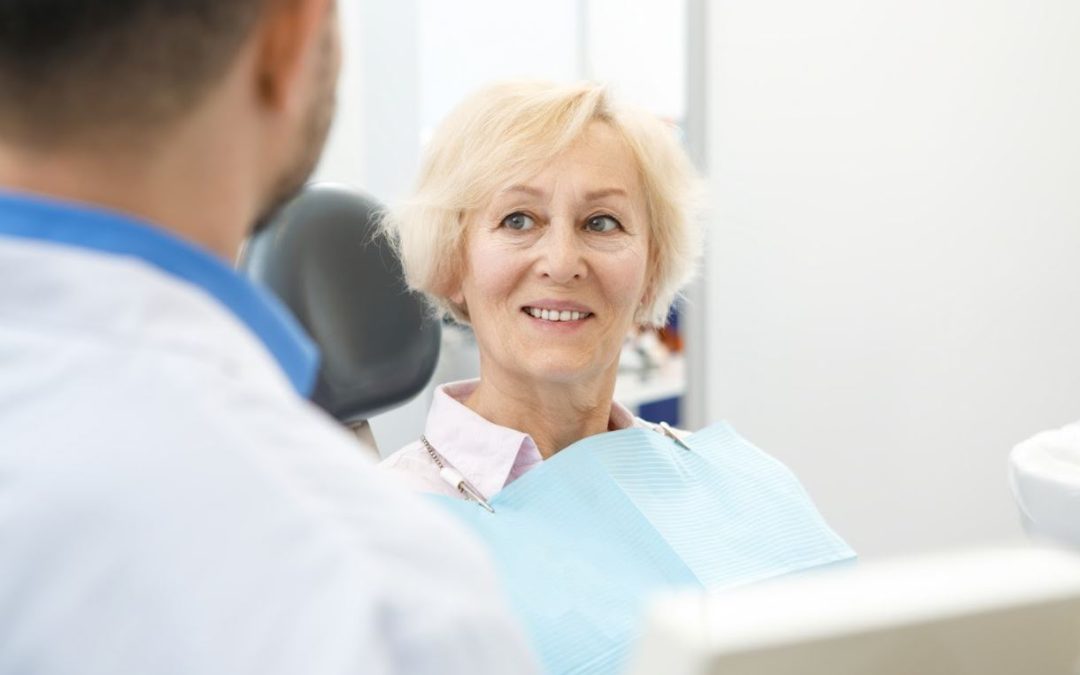
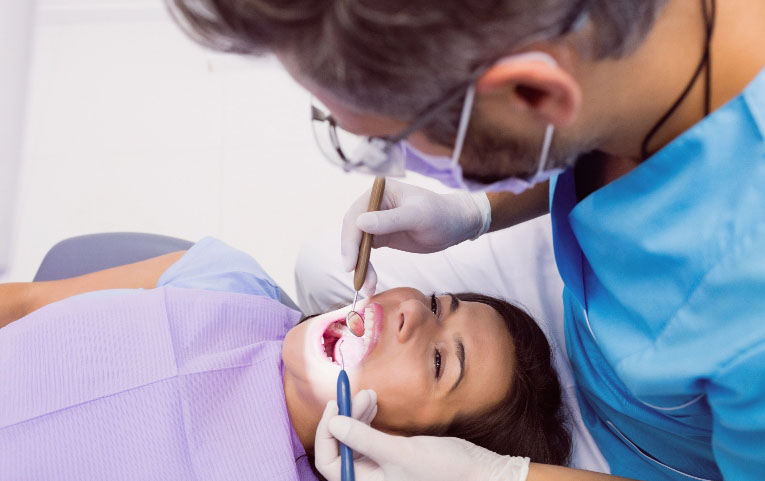
– We must make sure you are a suitable candidate for teeth whitening. Your dentist will begin with a check-up to ensure your gums and teeth are thoroughly cleaned and have no decay or other disease. - Preparation
– A barrier is put on your gums and soft tissue to protect them from the risk of irritation from the whitening process. - Gel Application
– The dental practitioner applies whitening gel to your teeth. This is concentrated, and is stronger than over-the-counter teeth whitener products, providing instantly noticeable results. - Activation
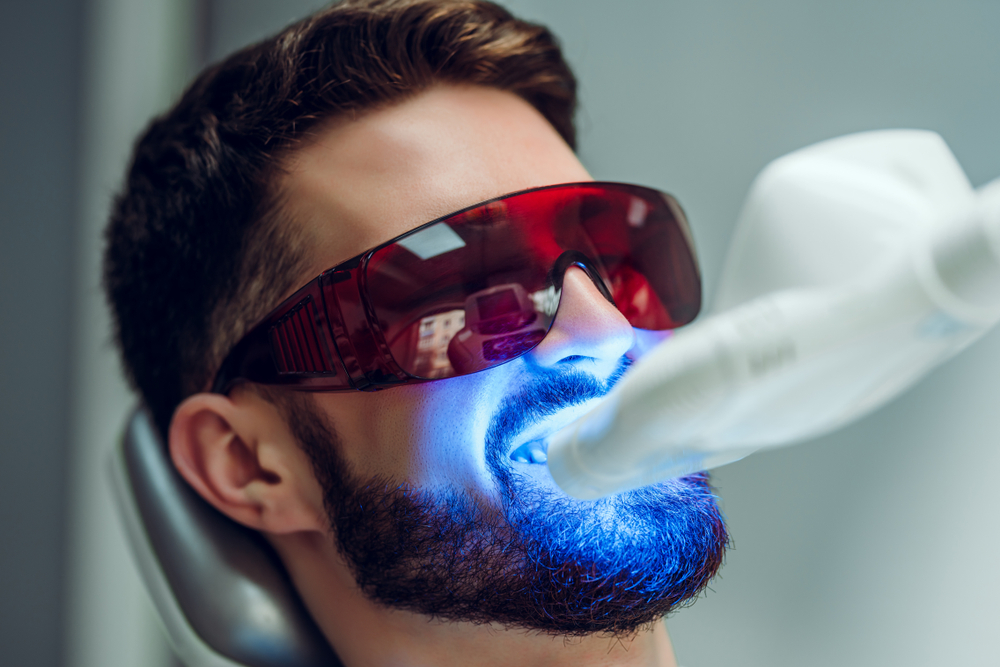
– A laser light or LED is often used to accelerate the chemical reaction and lift more noticeable stains. - Instant results
– After a 30-90 minute supervised session, many people see an improvement in the shade of their teeth straight away.
Safety and Supervision
The professional approach to whitening your teeth delivers instant results and minimises risk:
- Tailored treatment
– Each application is specific to that individual taking into account the health of the gums and any existing dental work. - Irritation Limitation
– Your lips and gums are shielded before application of the teeth whitener, to prevent overexposure, irritation or even chemical burns. - Use of Stronger materials
– The powerful gels used during professional whitening may only, legally, be used by dental practitioners. - Follow-up
– You will be given advice on diet recommendations, oral hygiene and any follow-on treatment required.
At-Home Teeth Whitening Methods
Many people first use at-home treatments when considering how to whiten teeth. These techniques are widely available and affordable but won’t deliver a dramatic transformation:
Types of At-Home Options
Some of the popular at-home teeth whitening solutions include:
- Teeth Whitening Strips
– These flexible strips are pressed onto your teeth for 20 to 60 minutes each day. The whitening material is normally hydrogen peroxide and, used for several days or weeks, results in a gradual lightening of the tooth enamel. - Teeth Whitening Kits
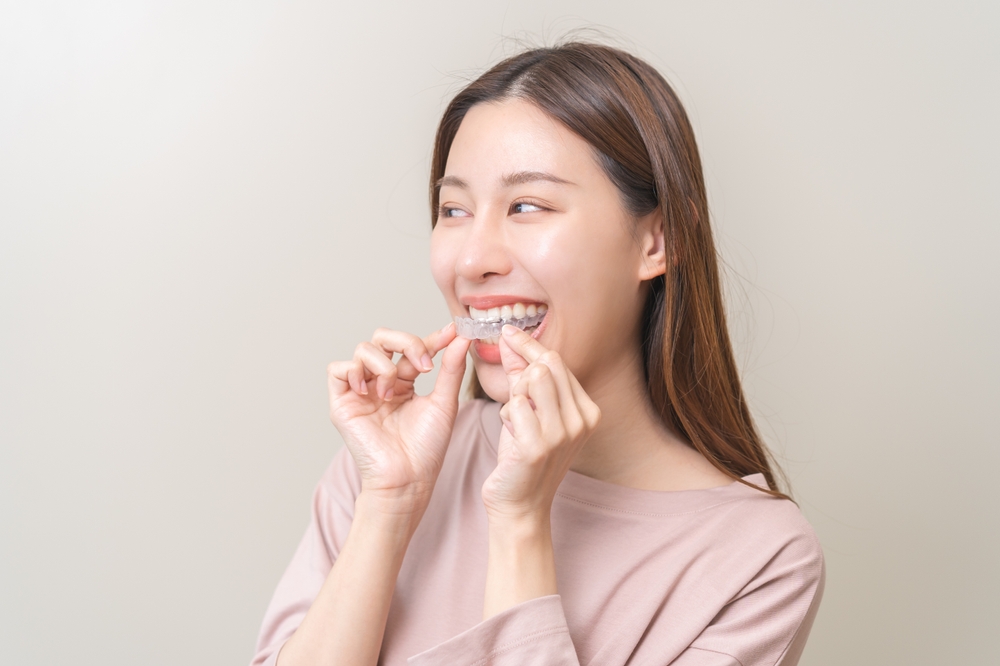
– Trays filled with whitening gel. These may be custom-made but are most often one-size-fits-all. The trays are worn over your teeth for a set duration each day. - Other Teeth Whitener Products
– Products to help remove stains include pens, powders and whitening toothpastes. They work as advertised but they don’t change the shade of your teeth as much as kits or strips, above.
Ease of Use and Convenience
At-home treatments are normally quick and easy to use:
- Simple Guidance
– Easy-to-follow instructions mean almost anybody can successfully use the techniques. - Flexible Timing
– Schedule your at-home sessions to suit your own timetable. Mornings, evenings or even overnight, if the method allows this. - No Dentist Required
– You don’t need to visit your dentist with these solutions, so they can save you money as well as time.
Beware, however, that you must follow the instructions closely. Improper use of these products can lead to gum irritation or sensitive teeth.
Comparing Results: Professional vs. At-Home Kits
Here’s a comparison between the options, to help you make an informed decision.
Effectiveness and Longevity
- Professional Whitening
– With stronger whitening gel, applied by experts, many people see improvements in brightness after a single session. The results can last over a year, depending on oral hygiene. - Teeth Whitening Strips and Kits
– Teeth whitening kits, strips and other shop-bought teeth whitener products are made to be easy to use. They have less concentrated ingredients, often producing less noticeable results even after many regular treatments. - Ongoing Maintenance
– After either method, continuing to avoid food and drink known to stain teeth, plus good oral hygiene can help preserve your whitened teeth.
The Risk of Sensitive Teeth
- Professional treatment
– Expect your dental expert to tailor the process to account for any existing sensitivity, coupled with advice to reduce the chance of any discomfort during, or after, treatment. - At-home Methods
– If instructions aren’t adhered to or the overuse of home treatments may cause tooth sensitivity.
Summary of Pros and Cons
Finally, here are some of the pros and cons of each treatment type:
- Professional Whitening Pros:
– Fast, instantly noticeable results
– Expert application guarantees safety
– Treatments are tailored to your oral health requirements - Professional Whitening Cons:
– More expensive
– You’ll need to visit your dentist for treatment - At-Home Kit Pros:
– Easy to get hold of and affordable
– Can be done at a time to suit you - At-Home Kit Cons:
– Often, multiple treatments are needed and the results are less dramatic
– Bigger risk of treatment causing sensitive teeth
Professional Guidance for a Brighter Smile
At Gentle Dental, we know the difference a bright smile can make for your confidence. If you are considering how to whiten teeth, our professionals will provide you with expert advice on both at-home and in-chair whitening, all tailored to your oral health needs.